Source Touch Switch Timer Power Strip for Hotels, Offices, and Homes
Explore 30 options for the touch switch timer power strip, featuring smart APP and voice control capabilities. Compare specifications for IP56 rated units with USB ports and standard grounding to find suitable solutions for commercial, industrial, and hospital environments; compare the available evidence and request quotations based on your requirements.
Key considerations
Products List


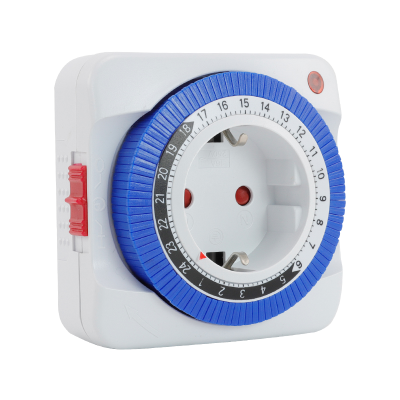
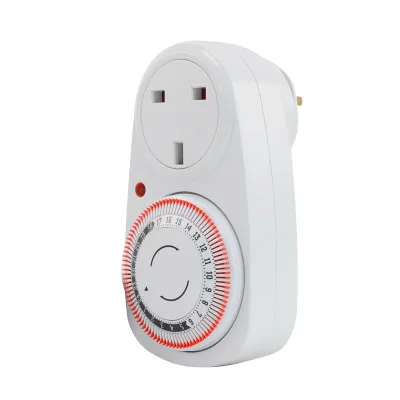
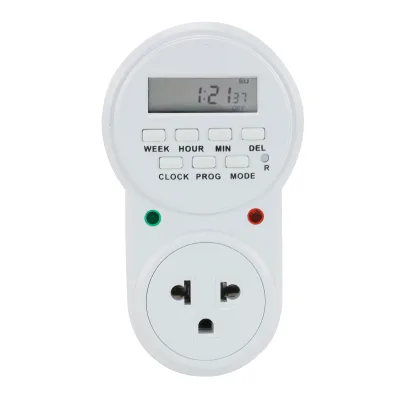


Comprehensive Sourcing Guide
Touch Switch Timer Power Strip Sourcing Guide
Buyers evaluating touch switch timer power strips must first distinguish between basic switching units and advanced smart systems capable of voice or app control. The observed market data indicates a wide spectrum of functionality, ranging from simple infrared sensor switches to complex room systems featuring scene modes and energy monitoring. Procurement teams should verify whether the specific unit supports the required input voltage range, such as 100-305V or specific 12V/24V/220V configurations, to ensure compatibility with existing facility infrastructure.
Selection also hinges on the intended application environment, as products are listed for commercial, industrial, hospital, and hotel use cases. Some units are designed for corridor monitoring with infrared principles, while others serve as general touch switches with USB standards or wireless video doorbell functions. It is critical to confirm the physical form factor, such as the 86 Type size or specific hole digit requirements, to ensure the device fits the target installation panel without requiring extensive retrofitting or custom housing modifications.
Product Scope and Observed Listing Signals
The current market listings reveal a diverse array of product attributes, including customization options, various color finishes like black or full-color, and different material compositions ranging from plastic to glass. Buyers must carefully review the specific product model designations, such as the EA series or generic touch switch models, to align with their technical requirements. The presence of features like remote control, timer functions, and smart linkage suggests a high degree of integration potential, but these capabilities vary significantly between individual supplier offerings.
Procurement teams should also scrutinize the packaging and shipping specifications, which range from standard cartons to color boxes, often with a single piece per box. The observed data includes specific details like a 1.8-meter cable length and IP56 ratings, which are vital for determining suitability in damp or outdoor environments. However, some listings explicitly state "No" for waterproofing, creating a clear distinction between indoor-only units and those designed for harsher conditions, necessitating a precise match between the product specification and the site environment.
Technical Specifications to Verify
Technical due diligence requires confirming the electrical parameters, specifically the working voltage and current capacity, which can range from 3A to 15A depending on the model. Buyers must verify the connection type, noting that some units utilize Wi-Fi for smart control while others rely on wired NPN three-wire connections for sensor integration. The input voltage compatibility is equally critical, with some devices supporting a broad 105-305V range while others are limited to specific 125V or 220V inputs, directly impacting the safety and reliability of the power distribution system.
Physical and functional specifications must also be validated against the project requirements, including the number of outlets, which can be as high as six in certain configurations. The presence of a switch mechanism and the specific principle of operation, such as infrared sensing, dictates the user interaction and automation logic. Additionally, the product standard, whether it includes USB integration or adheres to a generic standard, must be confirmed to ensure the device meets the necessary interface and performance expectations for the intended commercial or industrial application.
Compliance and Safety Documentation
Safety compliance is a non-negotiable aspect of sourcing, with the observed listings frequently citing CE and RoHS certifications as standard requirements. Buyers must request and verify these certificates for every batch, ensuring that the materials used, such as plastic or glass, meet the necessary environmental and safety standards. The presence of these certifications indicates that the product has undergone specific testing for hazardous substances and electrical safety, which is essential for maintaining regulatory compliance in commercial and hospital settings.
Beyond general certifications, procurement teams should investigate the specific grounding standards, as the data indicates a "Standard Grounding" approach for many units. It is vital to confirm that the grounding mechanism aligns with local electrical codes and that the product condition is explicitly stated as "New" to avoid receiving refurbished or damaged goods. The verification of these safety documents ensures that the installed power strips and switches will operate safely under the specified load conditions without posing a risk of electrical failure or fire.
Cost Drivers and Commercial Terms
Pricing in this category is highly variable, with observed ranges spanning from $0.42 to $22 per unit, driven by the complexity of features and the volume of the order. The minimum order quantity (MOQ) can range from a single unit to 5000 pieces, significantly influencing the unit cost and the overall budget allocation. Buyers should negotiate based on the specific customization needs, as customized products often command a premium over standard models, and the lead time of 30 days after deposit must be factored into the project schedule.
Commercial terms also include the shipping logistics and packaging details, which affect the total landed cost. Some suppliers offer standard packing, while others provide color boxes or carton packing, which may impact storage and handling expenses. The weight of the product, noted as 0.2kg per piece in some listings, influences freight charges, and the origin, typically China, requires consideration of import duties and tariffs. Understanding these cost drivers allows buyers to optimize their procurement strategy for both immediate needs and long-term inventory management.
Supplier Qualification and Quality Control
Supplier qualification should focus on verifying the origin and brand reputation, with Kelson appearing as a notable brand in the current market data. Buyers must ensure that the supplier can consistently provide products that meet the stated specifications, including the specific voltage ranges and current capacities. The condition of the product, explicitly listed as "New," must be guaranteed through quality control protocols that prevent the shipment of defective or used items, ensuring that the final installation meets the highest performance standards.
Quality control processes should also address the functional reliability of features like voice control, app control, and security modes. Since the products are designed for diverse applications ranging from hotels to industrial corridors, the supplier must demonstrate a robust testing regimen for these smart features. Verification of the product standard and the specific model designation ensures that the delivered goods match the ordered specifications, reducing the risk of compatibility issues or performance failures in the field.
Long-Term Procurement Checks
Sustainable procurement requires establishing a framework for ongoing performance monitoring and supplier relationship management. Buyers should track the reliability of the touch switch timer power strips over time, paying close attention to any deviations in voltage handling or connectivity stability. Regular audits of the supplier's ability to maintain the CE and RoHS certifications for subsequent batches are essential to ensure continued compliance and safety throughout the product lifecycle.
Long-term checks also involve assessing the availability of spare parts and the consistency of the product model, such as the EA series or specific room system models. As technology evolves, the ability of the supplier to support upgrades or provide compatible accessories for features like Wi-Fi and USB integration becomes a critical factor. Maintaining a clear record of the product origin, packing standards, and shipping timelines ensures that future procurement cycles can be executed efficiently, minimizing downtime and maximizing the operational value of the installed systems.
FAQs
Can touch switch timer power strips support voice control?
Yes, many models support voice control alongside remote and APP control. These smart strips often feature Wi-Fi connectivity for seamless integration with home automation systems. Users can manage multiple outlets and set schedules via mobile apps. This functionality enhances convenience for commercial and industrial applications requiring automated power management.
What certifications do touch switch timer power strips typically have?
Most touch switch timer power strips carry CE and RoHS certifications. These standards ensure compliance with European safety and environmental regulations. Buyers should verify specific documentation for each supplier. Certifications confirm the product meets essential health and safety requirements for electrical equipment used in various global markets.
What is the typical input voltage for these smart strips?
Typical input voltages range from 125V to 220V. Some models support wider ranges like 100-305V for broader compatibility. This flexibility allows use in different regional power grids. Buyers must match the strip voltage to their local supply to ensure safe and efficient operation of connected devices.
Are touch switch timer power strips suitable for hospital use?
Yes, they are suitable for hospital and commercial applications. Many units feature IP56 ratings for dust and water resistance. This durability ensures reliable performance in demanding environments. The smart features allow for precise control of medical or office equipment, enhancing safety and energy efficiency in professional settings.
How long is the cable on standard power strips?
Standard cable lengths are often around 1.8 meters. This length provides sufficient reach for most setups. Some models may offer customized cable options. Buyers should check specific product specifications to ensure the cable length meets their installation requirements and safety standards.
What materials are used in touch switch power strips?
Common materials include plastic and glass for the switch panel. The housing is typically durable plastic for safety. Glass panels offer a modern aesthetic for touch interfaces. These materials are selected for fire resistance and longevity, ensuring the product remains safe and functional under regular use conditions.